From Blog

News And Updates

Stay updated with the latest trends in data analytics, course announcements, success stories, tool updates, and industry insights. Our blog brings you expert tips, real-world case studies, and career advice to help you stay ahead in the data-driven world.

What is Data Analytics? A Beginner’s Guide to the World of Data

In today’s data-driven world, organizations rely on meaningful insights to make smart decisions. Data analytics is the process of collecting, cleaning, interpreting, and visualizing data to uncover useful information. It includes various types:

Descriptive Analytics (What happened?)

Diagnostic Analytics (Why did it happen?)

Predictive Analytics (What could happen?)

Prescriptive Analytics (What should be done?)

Learning data analytics opens doors to careers in almost every industry, including finance, healthcare, marketing, and more.

Top 5 Data Analytics Tools You Must Learn in 2025

Here are the top tools every data analyst should master:


Microsoft Excel – The foundation for any analysis.

SQL/MySQL – Essential for handling large databases.

Power BI – Great for data visualization and interactive dashboards.

Python – Widely used for data cleaning, analysis, and machine learning.

These tools are in high demand and mastering them increases your chances of landing a great job.

Career Paths in Data Analytics: From Freshers to Experts

A data analyst can grow into many exciting roles:


Junior Data Analyst

Business Analyst

Data Scientist

BI Developer

Analytics Manager

With the right training, projects, and certifications, even freshers or non-technical individuals can transition into high-paying analytics roles


Excel vs. Power BI: Which Tool is Better for Data Analysis?

While Excel is perfect for quick analysis, Power BI is built for large-scale, interactive dashboards and real-time data connections. Ideally, learning both gives you an edge – start with Excel, then transition to Power BI for advanced analytics and business intelligence.


Why SQL is a Must-Have Skill for Every Data Analyst

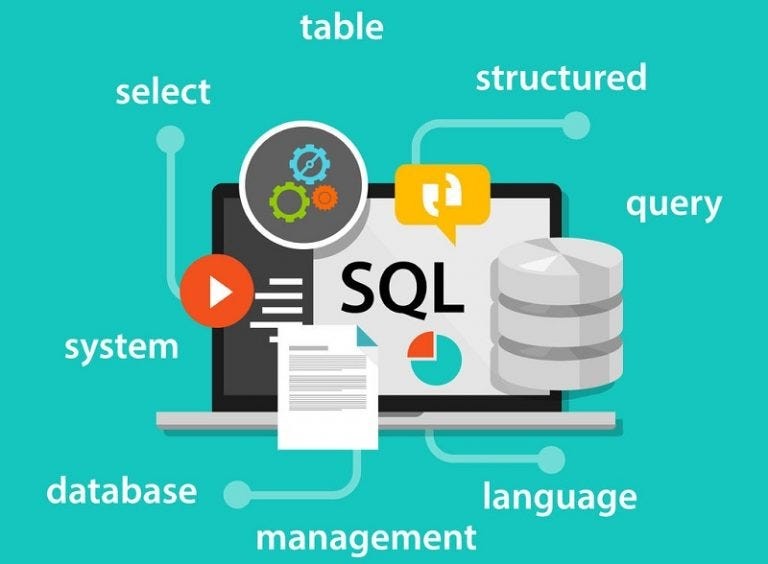
SQL (Structured Query Language) allows you to access, manipulate, and analyze large datasets stored in databases. It’s the backbone of analytics because most business data resides in databases. SQL skills are essential for querying, filtering, joining, and aggregating data effectively.


How to Become a Data Analyst Without a Technical Background

You don’t need to be from IT to become a data analyst. Start with Excel and Power BI, then gradually learn SQL and Python. Focus on real-world projects, build a portfolio, and take mentorship to boost your confidence. Our institute specializes in training non-tech learners into analytics professionals.

Live Projects That Make You Job-Ready in Data Analytics

Working on real-time datasets prepares you for actual job roles. Example projects:

Sales dashboard using Power BI

Customer segmentation using Excel & Python

Database management using SQL

These projects not only improve skills but also help in interviews and portfolio development.

Power BI Dashboards: Real-Life Business Use Cases

Power BI is used across sectors:/p>

HR: Employee attrition dashboard

Sales: Monthly revenue comparison

Marketing: Campaign performance dashboard

Finance: Budget vs. actuals

These use cases help in visual storytelling and decision making.

How Real Projects Boost Your Data Analytics Skills

Learning data analytics isn’t just about watching videos or reading theory—it's about applying skills to real problems. That’s why working on live projects is a core part of our courses. Whether it’s building dashboards in Power BI, writing SQL queries, or analyzing business data in Excel, these hands-on experiences help students build confidence, create job-ready portfolios, and stand out to recruiters.Real projects simulate real challenges, making your learning more impactful and career-focused.